
Buying guide
Heat Protection and Styling: Build a Lower-Damage Product Routine
Use product labels, tool settings and routine order to make a more deliberate heat-styling choice.
Editorial buying guide · Updated · ByEditorial Team ·Editorial policy ·Methodology

A styling product is only one variable
Heat protection is often sold as a bottle-first decision, but the tool and technique are part of the same picture. Dermatology guidance notes that excessive heat can damage hair and suggests lower-heat, lower-frequency styling as general harm-reduction measures. That context matters because it keeps an article from turning a product into a guarantee. When you shop, decide first how you style: blow-dry, curl, straighten, diffuse, or air-dry. Then find out whether a product’s current label specifically supports that use. A leave-in conditioner may have a different role from a dedicated styling product, and neither should be assumed to cover every heat tool.
Read the label before building the routine
The selected NatureLab.TOKYO and Hairitage listings are editorial references, not test results. Check the current product page for the exact variant, directions, amount, product placement and whether heat protection is explicitly stated. A product title can include words such as repair, smooth or styling without establishing a heat threshold or a universal result. If a direction says to apply to damp hair, do not rewrite it into a dry-hair step because another product works that way. Product order is a label question before it is a trend question.
Use fewer overlapping layers
A simple styling sequence is easier to follow and easier to assess. Cleanse and condition according to your usual routine, apply a leave-in or styling product only as directed, then use the lowest practical heat and minimise repeated passes. If you add a new item, do not change every other variable at the same time. You can then decide whether the product’s texture, finish or placement works for you without mistakenly crediting it for changes caused by a new tool setting or a different wash routine.
Compare convenience, not just promises
For a normal buyer decision, compare how a product fits into your actual mornings. Consider whether it is rinse-out or leave-in, whether it requires damp hair, whether it is easy to distribute, the current size and price, and whether the fragrance or finish is something you can tolerate. Merchant pages provide the most current information for those details. The article’s job is to give you a checklist, not to tell you that a particular formula is the best for all hair types or styling habits.
Set a realistic boundary
This guide is not a plan for treating hair loss, scalp pain, chemical burns or severe breakage. If those concerns are present, get advice from a qualified clinician, dermatologist or appropriate hair-care professional. For everyday styling, keep the framework small: reduce unnecessary heat exposure, verify product labels, and choose one or two formats that fit your routine. The related product pages provide editorial context before a sponsored listing link.
Map heat exposure before shopping
Heat-styling decisions improve when you start with your actual routine rather than a product promise. Note which tool you use, how often you use it, whether you style damp or dry hair, and how many passes you normally make. The AAD’s public styling guidance supports a simple principle: reduce unnecessary heat exposure and follow product directions. It does not test the merchant products in this guide or guarantee a result. A leave-in conditioner, a styling cream, a spray, and a dedicated heat-protection product can have different intended uses. Read the live label to establish whether heat protection is explicitly stated for the exact variant you are considering instead of assuming it from words such as smooth, repair, or styling.
Choose one placement in the routine
Product order should come from directions, not a generic layering rule. If a formula is meant for damp hair, do not convert it into a dry-hair step because another product works that way. If you already use a leave-in, decide whether a second leave-in-style product would add a distinct role or simply make the routine harder to follow. Compare texture, ease of distribution, fragrance preferences, wash-day timing, and current instructions. Introduce one new styling product at a time, and keep tool settings stable while you evaluate it. This is a more meaningful buying test than trying to attribute every change to a new bottle or an aspirational before-and-after photo.
Verify live claims at the point of purchase
The associated product pages identify the listed format and what still needs checking. Before buying, inspect the merchant page for the exact variant, directions, amount, ingredient list, size, policy details, and any explicit heat-use claim. Prices, promotional language, ratings, and stock status are intentionally not fixed in this article because they change. The editorial path gives you the decision framework first; a sponsored listing link gives you a current destination second. That order helps you choose a product format that fits the styling routine you already have rather than collecting overlapping products based on broad marketing language.
Keep a small comparison note
Before changing a styling routine, write down the single decision you are making: a different tool, a product placed before styling, or a product used after styling. Keep the other steps stable long enough to follow the current instructions. This is not a product-performance experiment; it is a way to avoid assigning a change to the wrong bottle, setting, or wash-day variation. If you cannot identify one clear role, postpone the purchase and simplify the sequence you already have.
Product-selection path
Products referenced in this guide
NatureLab.TOKYO Perfect Repair Leave-In Conditioner & Detangler: Heat Protection, Color Safe, Protect Against Future Damage | 4 FL OZ / 120 ML
NatureLab.TOKYO
Find hair care options by repair, scalp-care and styling needs.
- Best for
- Find hair care options by repair, scalp-care and styling needs.
- Before buying
- Confirm the current listing details.
Skip if: You need current price, availability, ratings, or hands-on testing evidence.
What to verify before buying
Product listings can change. Check the exact variant, size, ingredient or material information, directions, warnings, seller, return terms and current availability before buying.
Last checked: 2026-08-16. This page does not present hands-on product testing.

NatureLab.TOKYO Perfect Repair Treatment Masque - Hair Mask, 6.7 fl oz
NatureLab.TOKYO
Find hair care options by repair, scalp-care and styling needs.
- Best for
- Find hair care options by repair, scalp-care and styling needs.
- Before buying
- Confirm the current listing details.
Skip if: You need current price, availability, ratings, or hands-on testing evidence.
What to verify before buying
Product listings can change. Check the exact variant, size, ingredient or material information, directions, warnings, seller, return terms and current availability before buying.
Last checked: 2026-08-16. This page does not present hands-on product testing.
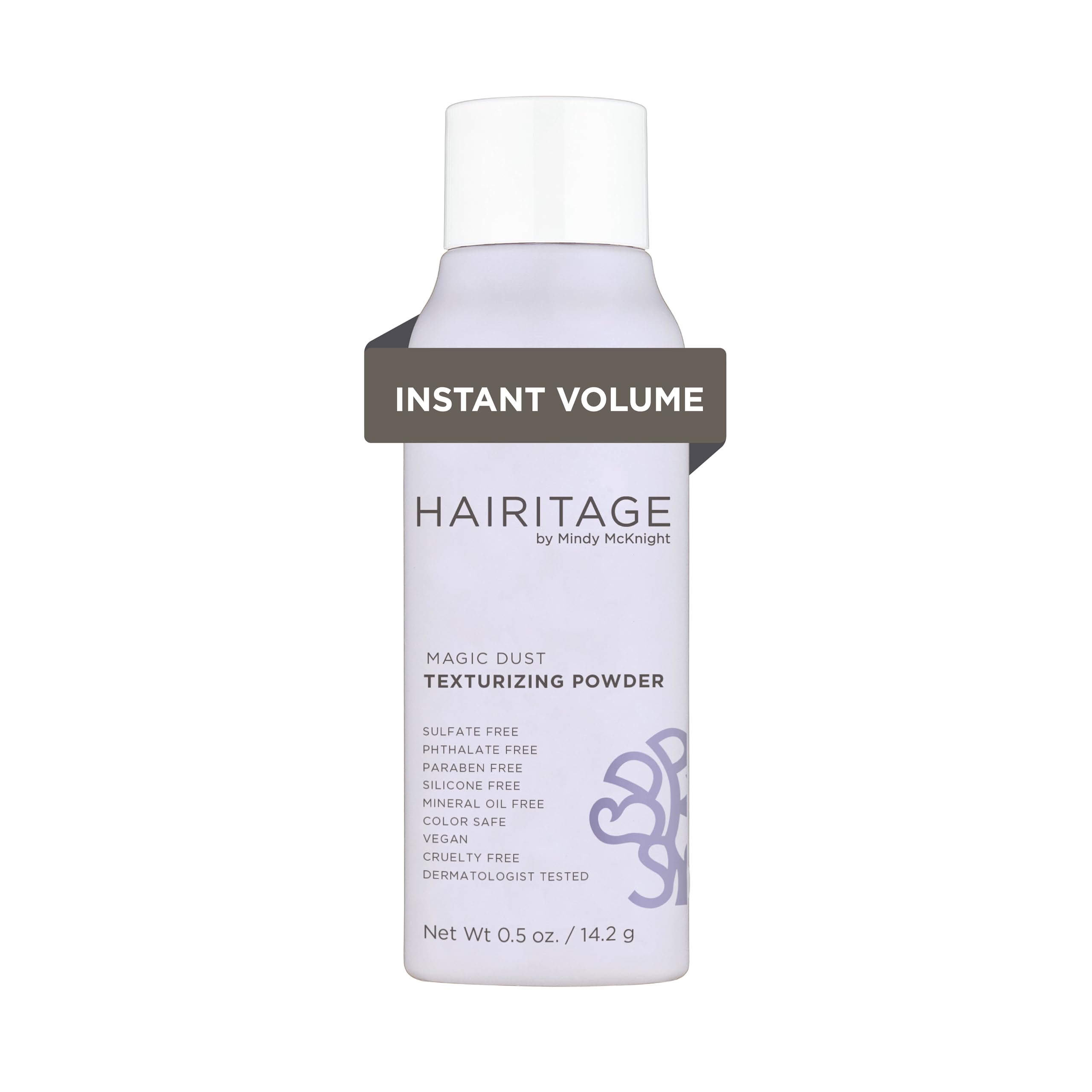
Hairitage Hair Texture Powder for Volume - Lightweight + Medium Hold - Texturizing + Volumizing Hair Styling Based Powder for Men, Women, Boys & Girls - Sulfate Free, Vegan + Dermatologist Tested, 0.5 Count (Pack of 1)
Hairitage
Find hair care options by repair, scalp-care and styling needs.
- Best for
- Find hair care options by repair, scalp-care and styling needs.
- Before buying
- Confirm the current listing details.
Skip if: You need current price, availability, ratings, or hands-on testing evidence.
What to verify before buying
Product listings can change. Check the exact variant, size, ingredient or material information, directions, warnings, seller, return terms and current availability before buying.
Last checked: 2026-08-16. This page does not present hands-on product testing.
Approved sources
FAQ
Does every leave-in product protect from heat?
No. Check the current package or merchant listing for a specific heat-protection claim rather than inferring it from the category.
Can a product make high heat risk-free?
No cosmetic product makes styling tools risk-free. Tool temperature, duration and frequency still matter.
What is the simplest first change?
Use lower heat where practical, follow directions, and avoid adding multiple styling products without a clear role.